
Use of Colors in the Visum Light Tools
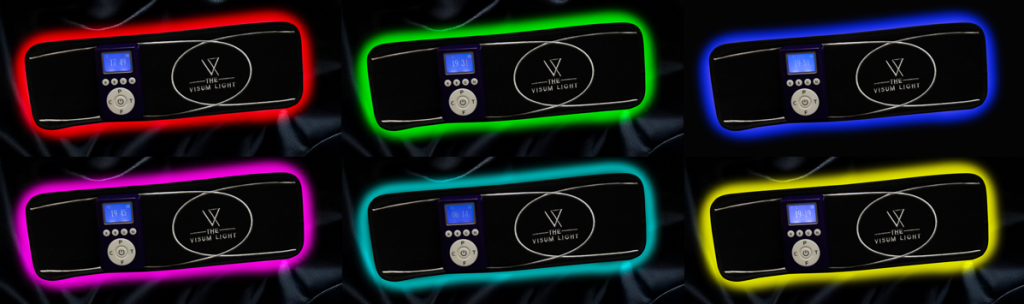
Light therapy works because different wavelengths of light interact with the body in different ways. Each color corresponds to a specific wavelength range, influencing tissue depth, cellular activity, and nervous system signaling.
Polychromatic Light Therapy and the Visum Light
The Visum Light combines red, near-infrared (NIR), blue, and green light in one device, with the ability to use each color individually or in combination. This approach, known as polychromatic light therapy, expands application options beyond single-wavelength use and reflects an area of growing scientific interest.
The design is informed by early color-based research and decades of foundational work exploring how different wavelengths interact with biological systems. Today, photobiomodulation is well supported by research, particularly for red and near-infrared light, while the potential of combined wavelengths continues to emerge.
What sets the Visum Light apart is its ability to apply evolving research through color blending, adjustable Nogier frequencies, and flexible dosing — features rarely available together in a handheld light therapy device. Built with the future of light therapy in mind, the Visum Light is designed to evolve alongside new discoveries.
The sections below outline the most commonly used light therapy colors, their typical applications, and the benefits practitioners and users experience today, followed by an overview of polychromatic light therapy and what makes the Visum Light unique.

Why Multiple Colors Matter
The body is complex and adaptive. Different tissues and systems may respond better to different wavelengths depending on the goal — whether that is recovery, relaxation, digestive support, skin balance, or overall wellness.
Having access to multiple colors allows light therapy to be more personalized and responsive. The Visum Light was designed with this versatility in mind, integrating a full spectrum of options informed by both established research and evolving clinical insight.
Polychromatic light therapy, also known as PLT, refers to the use of more than one color in light therapy. By using light of different wavelengths simultaneously, one can receive a wider range of benefits in approximately the same amount of time, thanks to the synergistic effects found with certain color combinations.
Red Light
Red light operates within the visible red spectrum and is foundational in photobiomodulation. It supports cellular energy production by interacting with mitochondria, helping cells generate ATP more efficiently. This supports tissue repair, circulation, and inflammatory balance.
Red light is commonly used for skin health, muscle recovery, joint comfort, and general wellness. Its penetration depth allows it to work on both surface tissue and moderately deeper structures, making it one of the most versatile and widely used therapeutic wavelengths.
Near-Infrared (NIR) Light
Near-infrared light sits just beyond the visible spectrum and penetrates deeper into the body than visible wavelengths. This allows it to reach muscles, joints, connective tissue, and deeper neural structures.
NIR light supports cellular energy processes and may help modulate oxidative stress at depth. It is frequently used for musculoskeletal support, recovery after physical strain, and deeper discomfort patterns. Ongoing research is also exploring its influence on brain function and neurological signaling, particularly in the context of resilience and recovery.
Blue Light
Blue light operates at shorter wavelengths and primarily affects surface tissues. It is well known for its interaction with bacteria and is commonly used to support clearer skin and surface-level balance.
Beyond dermatological applications, blue light may influence inflammatory signaling at the skin level and support wound environments when used appropriately. Because its penetration is shallow, blue light is typically used for targeted, localized applications rather than deeper tissue work.
Green Light
Green light occupies a middle range of the visible spectrum and has gained increased attention in recent years. Emerging research and clinical use suggest green light may influence pain perception and nervous system processing.
Green light is often associated with calming effects and may support relaxation, sensory regulation, and comfort. It is also used for skin balance, redness, and pigmentation concerns. Its interaction with visual and neurological pathways makes it particularly relevant for applications involving stress, tension, and chronic discomfort patterns.
Magenta Light
Magenta light is produced by combining red and blue wavelengths. This creates a blend that bridges surface-level support with deeper cellular activity.
Magenta light is often used when both skin-level concerns and underlying tissue stress are present. It may support cellular renewal while also calming surface irritation. Practitioners frequently describe magenta as a harmonizing color, useful when systems feel overstimulated or depleted and need balanced input rather than a single, targeted approach.
Yellow Light
Yellow light is typically created through the combination of red and green wavelengths. It occupies a moderate penetration range and is increasingly associated with digestive and visceral support.
Clinically, yellow light is often used over the abdominal area to support digestive comfort, gut motility, and parasympathetic activity. Practitioners frequently associate yellow light with the enteric nervous system and the body’s natural “rest and digest” processes. It is also used to support lymphatic flow, circulation, and skin vitality.
Because of its balancing and supportive nature, yellow light is commonly chosen when addressing digestion-related tension, bloating, or general gut discomfort as part of a broader wellness approach.
White Light
White light is a full-spectrum blend of visible wavelengths. Rather than targeting a single mechanism, it provides broad, balanced stimulation across multiple systems.
White light is often used for general wellness, whole-system support, and visual or cognitive clarity. Because it contains multiple wavelengths, it can be useful when no single color clearly stands out or when a comprehensive, neutral approach is preferred.
Here is a Summary of Light therapy Benefits by Color
