
How to Choose a Light Therapy Device – Part 1: Why One Wavelength Isn’t Enough
How to Choose a Light Therapy Device – Part 1: Why One Wavelength Isn’t Enough
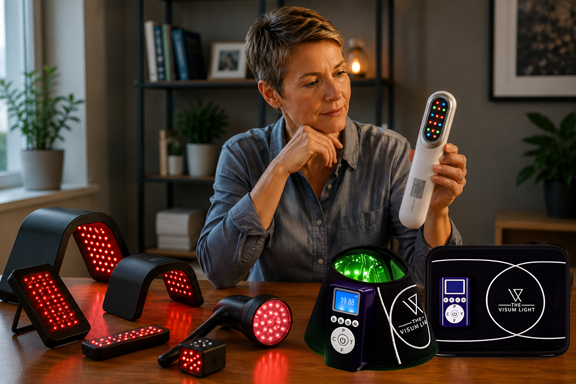
If you’ve spent any time researching light therapy, you’ve probably noticed that many products look remarkably similar. They often advertise red light, near-infrared light, or both, making it difficult to understand what truly separates one device from another.
The first thing to understand is that not all photobiomodulation systems are designed with the same philosophy.
Some devices are built around a single wavelength or a limited combination of wavelengths. They may serve a specific purpose well, but they also limit flexibility. As your wellness needs change, you may find yourself purchasing additional devices simply to access different wavelengths or applications.
A complete photobiomodulation system takes a different approach.
Rather than focusing on a single wavelength, it gives you multiple therapeutic options within one integrated platform.
More Than Red Light
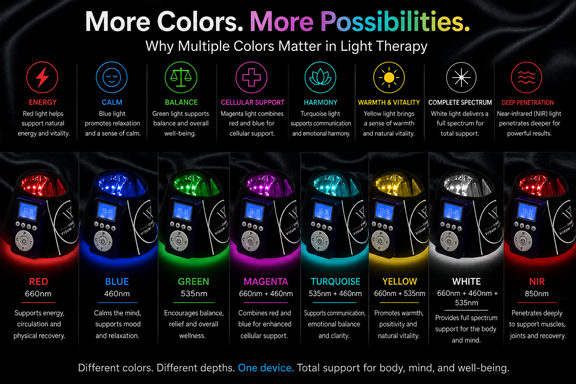
Red light has become the most recognized wavelength in photobiomodulation, but it isn’t the only wavelength used in wellness applications.
Visum Light incorporates:
- Red
- Blue
- Green
- Near-Infrared (NIR)
Each wavelength offers different characteristics, allowing users to select the most appropriate option for their individual wellness goals.
Why Blended Colors Matter
One of the unique capabilities of the Visum Handheld is its ability to electronically blend wavelengths, creating additional visible colors:
- Magenta
- Yellow
- Turquoise
- White
Rather than carrying multiple devices, users gain access to additional light options within the same system.
A System Instead of Separate Devices
Another question to ask is whether you’re purchasing a device or investing in a system.
A complete system offers flexibility.
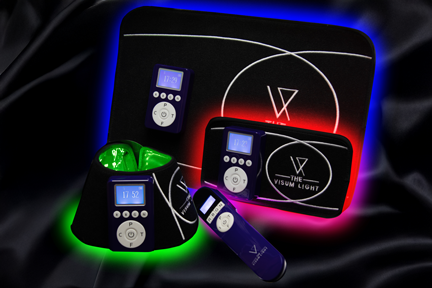
Depending on the product, Visum Light combines:
- Multiple wavelengths
- Blended colors
- Pre-Programmed Patterns
- Nogier Frequencies
- Targeted handheld applications
- Hands-free Flex Pads
This allows users to expand their wellness routine without replacing everything they already own.
Think Beyond Today’s Needs
Most people begin using photobiomodulation for one reason. Over time, those needs often change.
You may initially want targeted applications, then later discover the convenience of hands-free coverage. You may begin supporting yourself and eventually use the same system with family members or animals.
Choosing a flexible system today can help prevent unnecessary purchases tomorrow.
Ask Better Questions
Instead of asking:
“Which light is the strongest?”
Ask:
- How many wavelengths does it provide?
- Can it perform more than one function?
- Will it grow with my needs?
- Is it independently tested?
- Does it offer structured operating modes?
- Is it part of a complete system?
The answers to these questions often tell you far more about the product than marketing slogans ever will.
Over the next several months, we’ll continue exploring what separates a thoughtfully engineered photobiomodulation system from a basic light therapy device, helping you make informed decisions based on knowledge—not hype.
Why aren’t all light therapy devices the same?
Different manufacturers design products with different features, wavelengths, operating modes, and intended uses. Looking beyond marketing claims can help you make a more informed decision.
Why are multiple wavelengths beneficial?
Different wavelengths have different characteristics and may be chosen for different wellness applications. A system that includes multiple wavelengths offers greater flexibility than one limited to a single wavelength.
What are blended colors?
Blended colors are created by combining individual wavelengths. Depending on the product, this allows additional light options without requiring separate devices.
Is one device enough for every application?
That depends on your goals. Some users prefer a targeted handheld device, while others benefit from the broader, hands-free coverage offered by Flex Pads.
What should I look for when comparing products?
Consider the complete system, including wavelengths, operating modes, flexibility, independent testing, ease of use, and whether the product can continue meeting your needs over time.
